General
-
021 Auto Leasing
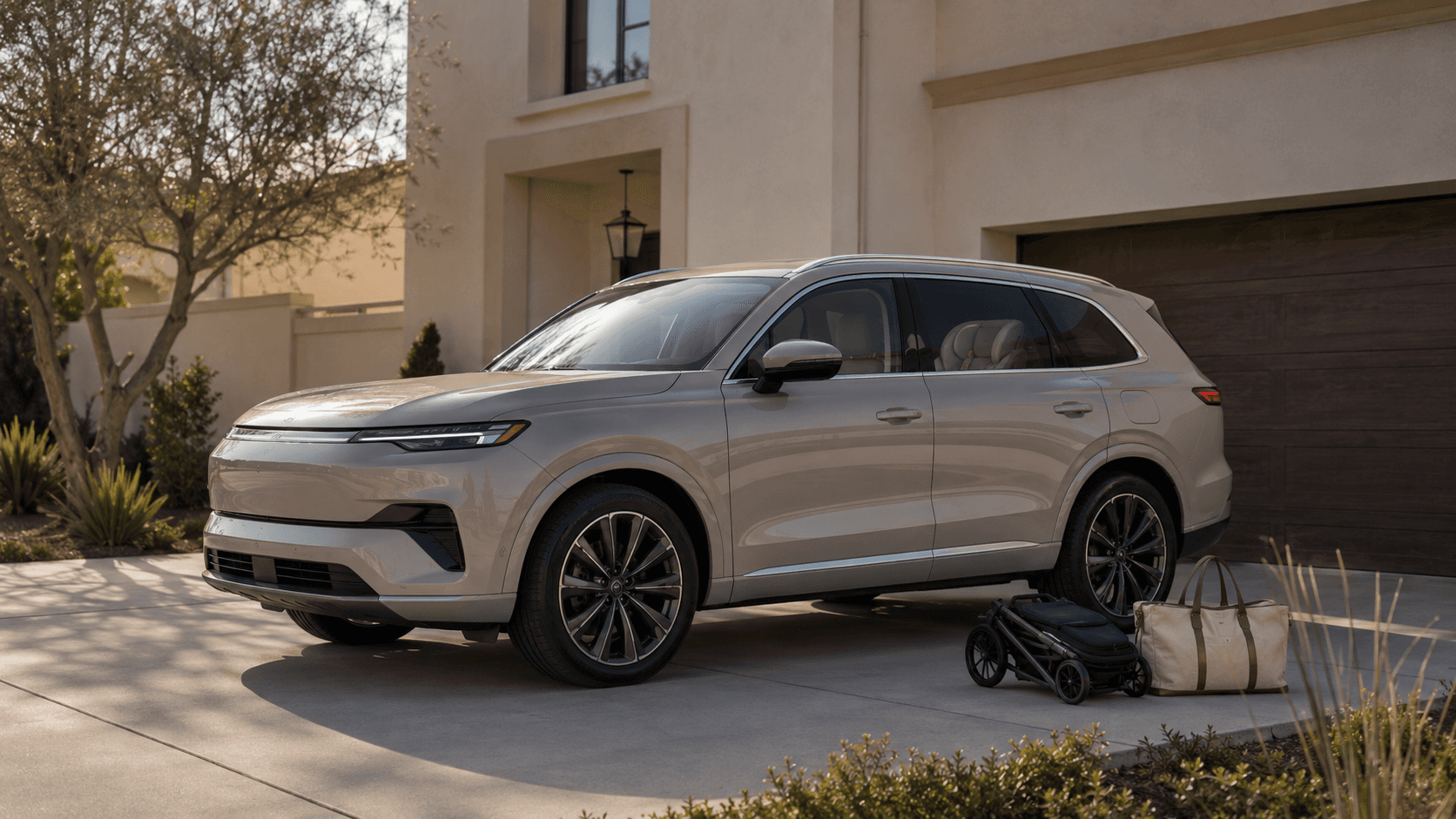
The cleanest premium-family-SUV decision is not 'which is best' in a generic ranking. It is which SUV solves the family-use job you actually have, and which lease quote is honest about the contract behind that job. The scorecard below runs that question before the brand argument starts.
Fast answer: how this comparison is built
This guide compares the Mercedes-Benz GLE, BMW X5, Lexus RX, and Volvo XC90 because they are the four midsize premium SUVs California families most often weigh against one another, and because each has a distinct family-fit angle rather than a generic 'best luxury SUV' answer. There is no single winner. The point is to score the family-fit job your specific household has, then take that scored profile to the quote conversation. Manufacturer pages are the source of truth for current trims, powertrains, and seating configurations; this article points to those pages and adds the framework that makes the model choice match the lease conversation.
The family-fit scorecard: five jobs to score before any quote
Score each candidate from one to five on the five jobs your family actually has. Job one is daily haul: school runs, sports gear, dogs, errands. Score how easily the SUV swallows a real week's worth of cargo without becoming a moving box. Job two is long-distance: how comfortable the second row is for a four-hour highway leg, and whether the third row, where it exists, is genuinely usable for the passenger size you actually carry. Job three is California parking: how the SUV behaves in tight urban garages, beach lot stalls, apartment complexes, and school pickup geometry. Job four is technology fit: how the family interacts with infotainment, rear-seat tech, and driver assistance, since this is where in-car friction either disappears or compounds across a three-year lease. Job five is powertrain fit: gas, hybrid, plug-in hybrid, or electric, scored against your real charging access and your real annual mileage. Once each candidate has five scores, you can rank them by your family rather than by a generic editorial best list. The scoring also exposes which jobs are genuinely close-call versus which ones favor one candidate decisively, which makes the next steps obvious. If three of five jobs score within one point across all four candidates, the decision is dominated by the remaining two. If one candidate scores low on a job you actually care about, no quote conversation will fix that.
How the four candidates differ on family job
The Mercedes-Benz GLE leans into long-distance comfort and a refined cabin, with third-row availability on certain trims via the optional configuration the GLE page describes. The BMW X5 leans into driving feel and tech depth and offers a third row via specific package availability the X5 page covers. The Lexus RX leans into powertrain breadth, including hybrid and plug-in hybrid configurations the Lexus RX page details, and into a quieter cabin character. The Volvo XC90 leans into a three-row standard layout with a focus on family safety positioning, and into a plug-in hybrid configuration that can change the operating-cost picture for shorter California commutes. None of these positioning notes overrides the manufacturer's own pages, which are the authoritative source for current configurations and powertrains. What this guide adds is the operational lens: which positioning matches which family scorecard.
Two-row vs three-row: a California-specific decision
California garages, beach parking lots, and dense urban grids treat a two-row midsize SUV very differently from a three-row variant of the same model. A genuinely needed third row is worth the size and turning-circle penalty; a marginally used third row often is not. The honest test is to count how many weeks of the last six months actually used a third row, then check whether the third row in question is a small-child format or a long-leg format. Most California families lean two-row with an occasional rental for full-house trips, and the lease decision flows from that honesty rather than from optimistic 'just in case' configuration.
Powertrain fit: gas, hybrid, plug-in hybrid, electric
Premium SUVs in this class can come in gas, hybrid, plug-in hybrid, and in some lineups battery-electric configurations. The right powertrain depends on three inputs your family already knows: average annual mileage, the share of those miles that are short trips around home, and the reliability of charging access if you go electric. EPA fueleconomy.gov is the authoritative reference for MPG, MPGe, and electric range for any specific trim, and the comparison should be run there rather than from memory. A Lexus RX hybrid behaves differently from a non-hybrid GLE in operating cost; a Volvo XC90 plug-in hybrid behaves differently from either when the daily commute fits inside the electric-only range. Powertrain fit is decided before the lease quote is requested, because a lease on the wrong powertrain subsidizes a lifestyle you do not actually have. A useful sanity check is to project three years of fuel or electricity cost based on your real annual mileage and your local energy prices, then compare the projected operating cost across powertrain choices for the same vehicle class. The operating-cost gap between gas and hybrid is usually meaningful; the gap between hybrid and plug-in hybrid depends on charging access; the gap between plug-in hybrid and full EV depends on how much of the daily envelope is actually covered by charged miles. EPA's PHEV explainer is the canonical reference for understanding how PHEV efficiency is measured.
Quote variables to lock before comparing
When the family-fit scorecard names a candidate, lock the quote variables before asking any dealer or broker for a number. Same exact trim, same exact option package, same exact term in months, same exact annual mileage tier, same exact due-at-signing posture. Then ask each lessor for capitalized cost, money factor, residual percent, total drive-off, acquisition fee, and disposition fee in writing. Reg M requires that disclosure at signing, so requesting it earlier is reasonable. The luxury lease quote checklist linkable asset is built to be printed alongside the offers, and the 021 quote-review service applies the same structure if you want a broker to run the conversation for you. A common shopper mistake is to request quotes from multiple dealers without locking the term and mileage tier; the resulting offers look comparable on the headline monthly but answer different questions about what the lease actually obligates you to pay.
Where to go next
Most readers who finish the scorecard are deciding between a German midsize SUV and a non-German option. The X5 vs GLE lateral comparison covers the German-on-German version of the question. The Macan vs GLC vs X3 lateral covers the compact-luxury size down. The Range Rover Sport vs GLE vs X5 lateral covers the upper-luxury size up. The MDX vs RX vs XC90 lateral covers the family three-row question explicitly. Each of those laterals routes back into the relevant evergreen lease pages so the quote conversation can begin once the scorecard names a winner.
Frequently Asked Questions
Which premium SUV is best for a California family?
There is no single answer. The right SUV is the one whose configuration matches your family-fit scorecard across daily haul, long-distance comfort, California parking, tech fit, and powertrain fit. The four candidates here all earn high scores in some combinations and lower scores in others, which is why the scorecard runs first.
Is a hybrid premium SUV worth it for California families?
It depends on the share of the family's annual miles that are short trips and on the specific hybrid configuration. The Lexus RX hybrid and Volvo XC90 plug-in hybrid are two examples that change the operating-cost picture in different ways. Run the comparison on EPA fueleconomy.gov for the exact trim, then weigh the lease quote on top.
Do I need a three-row SUV?
Count how often the third row was actually used in the last six months and which kind of passenger used it. If it was used regularly by adults or older kids, the three-row format earns its size penalty. If it was used rarely or by very small children, a two-row plus an occasional rental often fits California life better.
Should I sign before checking the lease disclosure fields?
No. Reg M requires the lessor to disclose specific fields before you become obligated. Asking for capitalized cost, money factor, residual percent, total drive-off, and applicable fees at the quote stage is the same disclosure the law requires later, just earlier, and it makes cross-quote comparison possible at all.
Related 021 resources: Mercedes-Benz GLE lease, BMW X5 lease, Lexus RX lease, Volvo XC90 lease, X5 vs GLE, Macan vs GLC vs X3, Range Rover Sport vs GLE vs X5, MDX vs RX vs XC90.