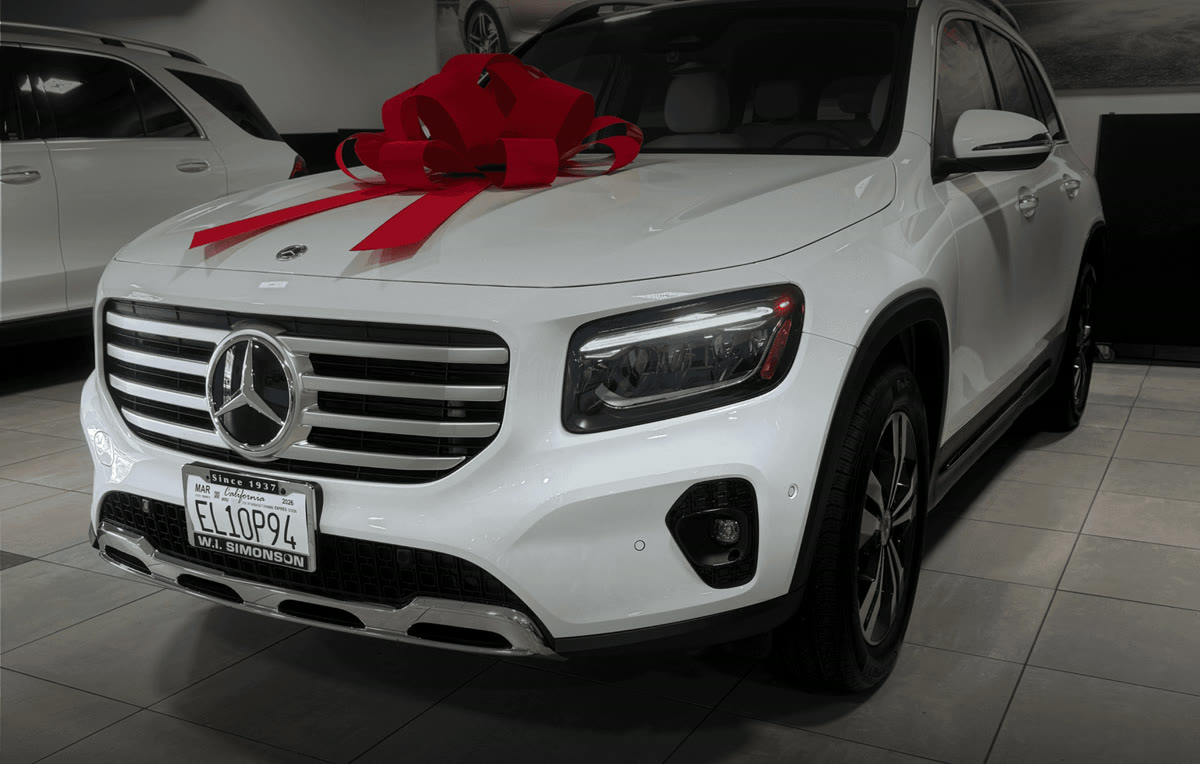
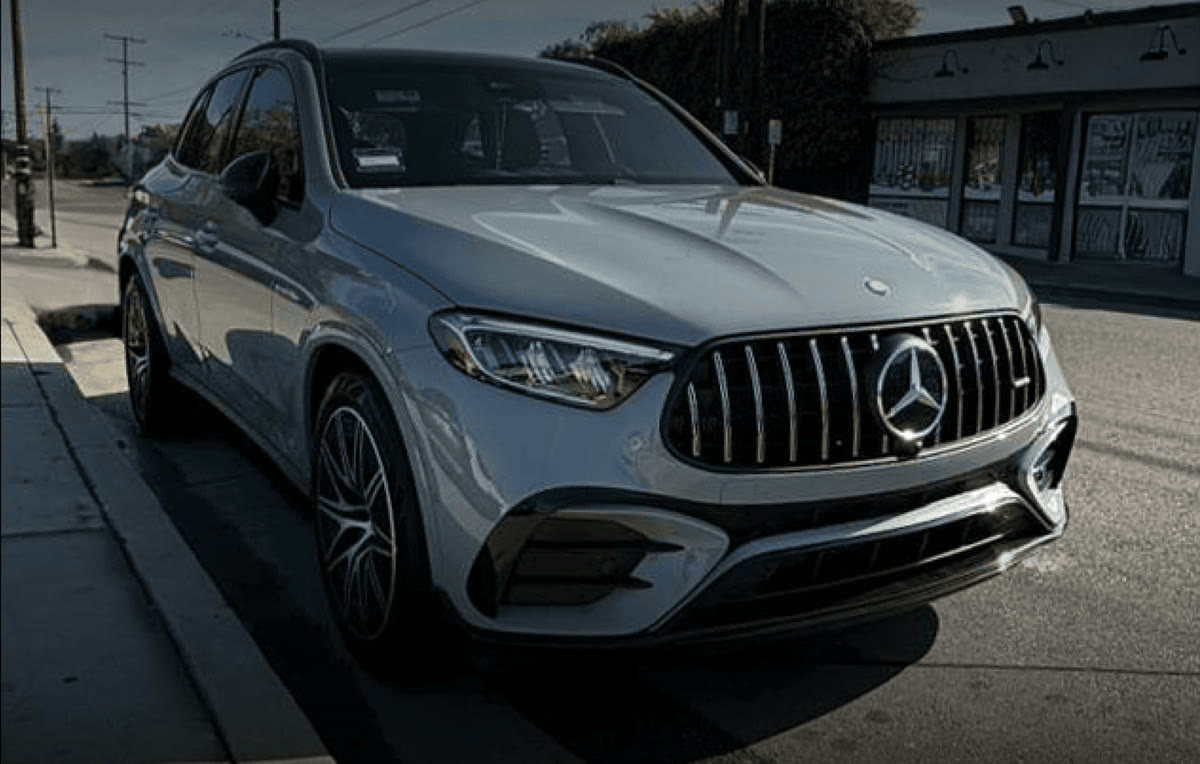
Benz
-
Mo Naderi

By Mo | 021 Auto Leasing
The 2026 Mercedes-Benz GLC 300 is not trying to be the loudest luxury SUV in the parking lot. That is part of why it works.
It is polished, comfortable, practical, and quietly confident — the kind of compact luxury SUV that makes sense for Los Angeles commutes, school drop-offs, client meetings, weekend drives up the coast, and everyday errands where comfort matters more than drama.
For California drivers comparing a Mercedes-Benz GLC 300 lease, the important question is not only “Is it nice?” Of course it is. The better question is whether the GLC 300 gives you the right balance of price, comfort, technology, performance, and long-term lease value compared with rivals like the BMW X3, Audi Q5, Lexus RX, Lexus NX, Volvo XC60, and Porsche Macan.
The short answer: yes, for the right buyer. The 2026 GLC 300 is one of the most balanced luxury SUVs in its class, especially if you want a premium cabin, a smooth mild-hybrid powertrain, usable cargo space, and a badge that still feels special without stepping into a much larger or more expensive SUV.
Quick Answer: Is the 2026 Mercedes-Benz GLC 300 Worth Leasing?
Yes — the 2026 Mercedes-Benz GLC 300 is worth leasing if you want a refined compact luxury SUV with strong everyday usability, premium design, modern technology, and manageable size.
Mercedes-Benz USA lists the 2026 GLC 300 SUV from $49,550 MSRP, while the GLC 300 4MATIC SUV starts from $51,550 MSRP. The standard GLC 300 uses a 2.0-liter turbocharged inline-four with mild-hybrid drive, 255 horsepower, 295 lb-ft of torque, a 9G-TRONIC nine-speed automatic transmission, and 21.9 to 56.3 cubic feet of cargo capacity.
For Southern California drivers, the regular rear-wheel-drive GLC 300 may be enough if most driving happens around Los Angeles, the Valley, Orange County, or coastal areas. The GLC 300 4MATIC becomes more attractive if you drive in rain often, take mountain trips, go skiing, or simply prefer the extra confidence of all-wheel drive.
The main caution is options. A GLC 300 can become expensive quickly once packages, wheels, audio, driver-assistance features, and appearance upgrades are added. The smartest lease is usually not the most loaded one. It is the build that gives you the Mercedes-Benz experience without paying for features you will barely use.
2026 Mercedes-Benz GLC 300 Key Specs
Category | 2026 Mercedes-Benz GLC 300 SUV |
|---|---|
Body style | Compact luxury SUV |
Seating | 5 passengers |
Starting MSRP | $49,550 for GLC 300 SUV; $51,550 for GLC 300 4MATIC SUV |
Engine | 2.0L inline-four turbo with mild-hybrid drive |
Horsepower | 255 hp |
Torque | 295 lb-ft |
Transmission | 9G-TRONIC 9-speed automatic |
Drivetrain | Rear-wheel drive standard; 4MATIC all-wheel drive available |
0–60 mph | 5.9 seconds for RWD; 6.0 seconds for 4MATIC |
Fuel economy | 24/32 mpg city/highway for RWD; 23/31 mpg for 4MATIC |
Cargo capacity | 21.9–56.3 cu ft |
Towing capacity | 3,500 lb |
Fuel requirement | Premium unleaded gasoline |
Basic warranty | 4 years/50,000 miles |
What the GLC 300 Gets Right
The GLC 300’s appeal is not built around one headline feature. It is the way everything fits together.
It is compact enough to park in tighter Los Angeles garages, upscale enough for business or social use, comfortable enough for daily commuting, and practical enough for small families or couples who need real cargo space. That balance is exactly why the GLC has become one of Mercedes-Benz’s core luxury SUVs.
The 2026 model uses a mild-hybrid 2.0-liter turbocharged engine. Mercedes-Benz describes the integrated starter-generator as working with a 48-volt battery and providing up to 23 hp and 148 lb-ft of additional electric assist in certain driving situations.
That does not make the GLC 300 an electric vehicle, and it does not replace the plug-in-hybrid GLC 350e. What it does is help smooth response, support low-speed refinement, and make the engine feel more polished in everyday use.
In practical terms, the GLC 300 feels designed for drivers who want the luxury experience without turning every drive into a performance event. It has enough power for freeway merging, passing, and canyon drives, but its real strength is composure.
Performance: Smooth, Confident, and More Than Quick Enough
The 2026 Mercedes-Benz GLC 300 is powered by a 2.0-liter turbocharged inline-four with mild-hybrid drive. Output is 255 horsepower and 295 lb-ft of torque, sent through a nine-speed automatic transmission.
The rear-wheel-drive model is listed at 5.9 seconds from 0–60 mph, while the 4MATIC model is listed at 6.0 seconds. Those numbers matter because they place the GLC 300 in the right zone for a luxury daily driver. It is quick enough to feel confident, but not so aggressive that it becomes stiff, thirsty, or expensive in the way higher-performance AMG models can be.
The 9G-TRONIC transmission is also part of the GLC’s character. A nine-speed automatic gives the SUV more ratios to work with, which helps it stay relaxed at highway speed and responsive when the driver asks for power.
For most lease shoppers, the GLC 300 is the sweet spot in the lineup. The AMG GLC 43 is faster and more emotional, but also more expensive. The GLC 350e plug-in hybrid may appeal to drivers who can charge at home and want electric-only driving for shorter trips, but it comes with a different ownership and lease equation.
GLC 300 vs. GLC 300 4MATIC: Which One Makes More Sense in California?
For California buyers, this is one of the most important decisions.
The standard GLC 300 is rear-wheel drive. It costs less, gets slightly better listed fuel economy, and is perfectly reasonable for drivers who stay mostly in dry urban and suburban conditions.
If your routine is Woodland Hills to Beverly Hills, Sherman Oaks to Santa Monica, Glendale to Pasadena, or Orange County freeway driving, the RWD model can make a lot of sense.
The GLC 300 4MATIC adds all-wheel drive. It starts at $51,550 MSRP, compared with $49,550 for the RWD model. It gives up a small amount of listed fuel economy — 23/31 mpg versus 24/32 mpg — but the real-world advantage is traction and confidence.
Choose the GLC 300 RWD if you want the lower starting MSRP, slightly better fuel economy, and mostly drive in dry Southern California conditions.
Choose the GLC 300 4MATIC if you travel to Big Bear, Mammoth, Tahoe, mountain roads, rainy areas, or simply want the extra confidence of all-wheel drive.
For many lease shoppers, 4MATIC is worth pricing out, especially because a modest MSRP increase may not always translate into a large monthly-payment difference depending on incentives, residual value, money factor, and available inventory.
Exterior Design: Quiet Luxury That Still Looks Expensive
The GLC 300 has a mature look. It is clean, rounded, and upscale without being overly aggressive. That matters because many luxury SUV buyers want something that fits several parts of life.
The GLC looks appropriate at a restaurant, office building, school event, hotel entrance, or weekend getaway. It does not have the visual drama of a G-Class or the sharpness of a Porsche Macan, but it does not need to. Its design language is more about modern Mercedes-Benz elegance than attention-seeking.
The size also helps. At 185.7 inches long, the GLC 300 is substantial enough to feel premium but not so large that it becomes annoying in parking structures or dense Los Angeles traffic.
That gives it the right footprint for a California luxury SUV: big enough to feel meaningful, compact enough to live with.
Interior: The Main Reason Many Buyers Choose the GLC
The cabin is where the GLC 300 makes one of its strongest arguments.
Mercedes-Benz interiors are not only about materials; they are about atmosphere. The GLC uses a screen-forward layout, ambient lighting, a premium dashboard design, and a modern control interface that makes the SUV feel current.
This is a big advantage for lease shoppers. When you lease a luxury vehicle, you are often paying for the freshest design, technology, and cabin experience during the vehicle’s strongest years. The GLC 300 fits that logic well because the interior still feels modern and upscale.
There is one caveat: the GLC relies heavily on touch controls and screen-based interaction. Some drivers love that clean, digital look. Others prefer more physical buttons.
Anyone considering the GLC should spend real time with the infotainment system before signing. Pair your phone, adjust climate controls, change audio settings, test navigation, and make sure the interface feels natural.
A luxury lease should not annoy you every morning.
Comfort and Practicality: Why the GLC Works as a Daily SUV
The GLC 300 is not a three-row family SUV, and it should not be judged like one. It is a two-row luxury SUV for drivers who want comfort, style, and enough practicality for real life.
Mercedes-Benz USA lists seating for five and cargo capacity from 21.9 to 56.3 cubic feet. Rear legroom is listed at 37.4 inches, which makes the second row usable for adults and comfortable enough for children, teens, or shorter daily trips with passengers.
That makes the GLC 300 a good fit for:
Singles who want one premium vehicle for work, weekends, and travel.
Couples who want something more versatile than a sedan.
Small families who need cargo space but do not need a third row.
Professionals who want a refined SUV that is comfortable in traffic.
Empty nesters who want luxury without moving into a large SUV.
The cargo area is large enough for groceries, luggage, golf bags, a stroller, gym gear, or weekend bags. With the rear seats folded, the GLC becomes much more flexible.
The practical limit is passenger capacity. If you regularly carry more than four passengers or need a third row, the GLE or another larger SUV will make more sense.
Fuel Economy and Ownership Costs
The 2026 GLC 300 is efficient for a gasoline luxury SUV, but it is still a premium vehicle. Mercedes-Benz USA lists the RWD GLC 300 at 24 mpg city and 32 mpg highway. The GLC 300 4MATIC is listed at 23 mpg city and 31 mpg highway.
The important ownership note is fuel type. Mercedes-Benz specifies premium unleaded gasoline for the GLC 300. That should be included in your real monthly cost calculation, especially in California where premium fuel prices can be high.
Lease shoppers should also account for:
Due at signing.
Monthly payment before and after tax.
Mileage allowance.
Excess mileage rate.
Acquisition fee.
Disposition fee.
Registration and DMV costs.
Wear-and-tear expectations.
Tire cost if the vehicle has larger wheels.
Insurance premium.
A lower monthly payment does not always mean the better deal. A clean lease quote should show the MSRP, selling price, residual value, money factor, incentives, fees, taxes, drive-off amount, term, and mileage allowance.
Warranty Coverage
Mercedes-Benz’s 2026 new-vehicle basic warranty is 4 years or 50,000 miles, whichever comes first.
That is one reason leasing a GLC 300 can make sense. Many common lease terms keep the vehicle inside the basic warranty period, depending on term and mileage. For drivers who like having newer technology and predictable warranty coverage, a lease can be cleaner than owning a luxury vehicle well beyond its warranty period.
Still, warranty does not mean maintenance is free, and lease terms vary. Always confirm included maintenance, prepaid maintenance options, tire and wheel protection, and excess wear coverage before signing.
Safety: Strong Recognition, But Still Check the VIN
The 2026 Mercedes-Benz GLC has a strong safety story. The Insurance Institute for Highway Safety lists the 2026 Mercedes-Benz GLC as a Top Safety Pick, with Good ratings in several major crashworthiness and safety categories.
For family buyers, that matters. For commuters, it matters. For anyone driving the 101, 405, 5, 10, 134, or 118 regularly, safety technology and crash-test performance are not abstract details.
There is also a recall note worth checking. NHTSA documents recall campaign 25V533, involving certain 2023–2026 Mercedes-Benz GLC vehicles, including GLC 300 and GLC 300 4MATIC models. The issue relates to a steering coupling bolt that may have been improperly tightened, with dealer remedy handled through Mercedes-Benz.
That does not mean every GLC 300 on the market has an open recall. It means shoppers should check the specific VIN before delivery. A responsible broker, dealer, or buyer should confirm recall status before finalizing the vehicle.
Leasing the 2026 GLC 300 in California: What Matters Most
A good GLC 300 lease is not only about the monthly payment. It is about the structure behind the payment.
Two offers can have the same monthly number but very different real costs. One may require more money down. Another may have a lower mileage allowance. One may include stronger dealer discounting. Another may hide cost in fees or a marked-up money factor.
For a Mercedes-Benz GLC 300 lease in California, focus on these points.
1. Selling Price, Not Just MSRP
MSRP is the sticker price. Selling price is the negotiated price used in the lease. A stronger selling price can lower the monthly payment and reduce the total lease cost.
2. Money Factor
The money factor is the financing component of the lease. Ask whether it is the base money factor or marked up. A small change can matter over the full term.
3. Residual Value
The residual value is what the vehicle is expected to be worth at lease end. Higher residuals can help lower lease payments. Residuals are usually set by the lender and vary by term and mileage.
4. Mileage Allowance
A 7,500-mile lease may look cheaper than a 10,000- or 12,000-mile lease, but it can become expensive if you drive more than expected. In Los Angeles, mileage adds up quickly.
5. Drive-Off Amount
A low monthly payment with a high drive-off is not automatically a good deal. Compare total cost, not just the headline number.
6. Package Discipline
Mercedes-Benz options are tempting. Some are worth it. Some are mostly emotional. On a lease, choose the features that improve daily use and help the vehicle feel right without overbuilding the car.
This is where a broker can help. 021 Auto Leasing is a California-based auto leasing and brokerage company located in Woodland Hills. The team helps clients source vehicles, compare lease options, and simplify the process from selection to delivery.
Best 2026 GLC 300 Lease Strategy
For most California shoppers, the best GLC 300 lease strategy is simple: choose the drivetrain and packages that match your real life, then shop the deal aggressively.
A lightly optioned GLC 300 can be a strong value because the base vehicle already gives you the Mercedes-Benz badge, premium cabin, mild-hybrid powertrain, cargo flexibility, and modern design.
A well-chosen GLC 300 4MATIC can also make sense if you want all-wheel drive, especially for mountain trips or added confidence.
A heavily loaded GLC 300 can be beautiful, but the lease payment may start moving close to larger SUVs or performance models. At that point, compare carefully. Sometimes it is smarter to lease a better-discounted higher-MSRP vehicle; other times the lower-MSRP GLC is still the cleanest choice.
The practical takeaway: do not chase the cheapest GLC 300 blindly, and do not over-option one casually. The sweet spot is usually a balanced build with strong dealer discounting, the right mileage allowance, and a transparent lease structure.
Pros and Cons
Pros
Premium Cabin Feel
The GLC 300 has the kind of cabin that makes daily driving feel more special. The screen layout, lighting, materials, and overall design give it a clear luxury identity.
Smooth Mild-Hybrid Powertrain
The 2.0-liter turbocharged engine with 48-volt mild-hybrid assist gives the GLC enough power for confident driving without making the SUV feel aggressive or harsh.
Useful Cargo Space
With 21.9 to 56.3 cubic feet of cargo capacity, the GLC is practical enough for daily life, road trips, and small-family needs.
Strong Safety Recognition
The 2026 GLC’s safety recognition gives it a strong foundation for families, commuters, and everyday drivers.
Good Size for California
It is easier to live with than a large SUV but still feels more substantial and versatile than a sedan.
Cons
Options Can Raise the Price Quickly
The base MSRP is one thing. The real lease quote depends heavily on equipment, dealer discount, incentives, and finance structure.
Premium Fuel Is Required
Mercedes-Benz lists premium unleaded gasoline as the fuel requirement, which matters in California.
No Third Row
The GLC is best for singles, couples, and small families. Larger families should consider a bigger SUV.
Screen-Heavy Controls May Not Suit Everyone
The cabin looks modern, but drivers who prefer physical buttons should test the interface carefully.
Rivals Can Feel Sportier
If handling is the top priority, the BMW X3 or Porsche Macan may deserve a close look.
2026 GLC 300 vs. Alternatives
GLC 300 vs. BMW X3
The BMW X3 is often the driver’s choice in this segment. It tends to feel more athletic and road-focused. The GLC 300 counters with a more polished luxury atmosphere and a cabin that may feel more elegant to many buyers.
Choose the GLC if you want comfort, design, and Mercedes-Benz refinement. Choose the X3 if you want sharper handling and a sportier feel.
GLC 300 vs. Audi Q5
The Audi Q5 is another balanced luxury SUV, usually strong in cabin design, quattro all-wheel-drive appeal, and understated styling. The GLC feels more expressive inside and may appeal more to buyers who want a richer luxury ambiance.
Choose the GLC if you want a more dramatic cabin and Mercedes styling. Choose the Q5 if you prefer Audi’s restrained design and driving feel.
GLC 300 vs. Lexus NX or Lexus RX
Lexus appeals to buyers who prioritize long-term ownership reputation, comfort, and simplicity. The GLC feels more European, more tech-forward, and more premium in presentation.
The Lexus may be the calmer long-term ownership choice. The Mercedes may be the more rewarding lease experience.
Choose the GLC if you want a premium European lease. Choose Lexus if ownership simplicity and long-term reliability reputation matter more.
GLC 300 vs. Porsche Macan
The Porsche Macan is the enthusiast’s option. It feels more performance-oriented and more connected to the road. The GLC is more relaxed, more practical in tone, and more focused on everyday luxury.
Choose the Macan if driving feel comes first. Choose the GLC if comfort, technology, and daily polish matter more.
Who Should Lease the 2026 Mercedes-Benz GLC 300?
The 2026 GLC 300 is a strong lease candidate for drivers who want a luxury SUV that feels premium every day without becoming excessive.
It is especially well suited for:
Professionals who want a polished daily driver.
Couples who want one stylish, practical vehicle.
Small families who need cargo space but not three rows.
Mercedes-Benz shoppers who want a manageable monthly lease.
Drivers who want a modern cabin and strong comfort.
California buyers who want a compact luxury SUV that fits urban, suburban, and weekend use.
It is less ideal for:
Buyers who need a third row.
Drivers who want maximum cargo space per dollar.
Shoppers who dislike screen-heavy interiors.
Enthusiasts who want the sharpest handling.
People who want an EV or plug-in hybrid experience from the standard GLC 300.
Final Verdict
The 2026 Mercedes-Benz GLC 300 is one of the easiest luxury SUVs to recommend because it understands its job. It does not need to be the fastest, largest, or flashiest vehicle in the segment. Its strength is balance.
It gives you a refined mild-hybrid powertrain, upscale interior, useful cargo space, strong safety recognition, Mercedes-Benz design, and a size that works well in California. The RWD model is the value play. The 4MATIC model is the confidence play. The best lease is the one that keeps the equipment focused and the numbers transparent.
For shoppers comparing a Mercedes-Benz GLC 300 lease in California, the move is not to rush into the first payment that looks attractive. Compare the structure, confirm the VIN, check incentives, and make sure the build matches your real driving life.
To have 021 Auto Leasing source and compare available GLC 300 lease options, contact (805) 888-8021 or visit 021 Auto Leasing in Woodland Hills at 22801 Ventura Blvd, Suite 110, Woodland Hills, CA 91364.
FAQ
Is the 2026 Mercedes-Benz GLC 300 a good SUV?
Yes. The 2026 Mercedes-Benz GLC 300 is a good SUV for buyers who want a refined luxury cabin, smooth performance, useful cargo space, and a premium badge in a manageable size. It is best for singles, couples, small families, and professionals who value comfort over aggressive handling.
How much does the 2026 Mercedes-Benz GLC 300 cost?
Mercedes-Benz USA lists the 2026 GLC 300 SUV from $49,550 MSRP and the GLC 300 4MATIC SUV from $51,550 MSRP. Actual lease pricing depends on the vehicle’s equipment, dealer discount, incentives, taxes, fees, mileage allowance, credit approval, and lease program.
What engine does the 2026 GLC 300 have?
The 2026 GLC 300 uses a 2.0-liter inline-four turbocharged engine with mild-hybrid drive. Mercedes-Benz lists output at 255 horsepower and 295 lb-ft of torque.
Is the 2026 GLC 300 a hybrid?
It is a mild hybrid, not a plug-in hybrid. The GLC 300 uses a 48-volt integrated starter-generator that can provide electric assist, but it is not designed for regular electric-only driving. Buyers who want a plug-in hybrid should compare the GLC 350e.
Should I get the GLC 300 or GLC 300 4MATIC?
Choose the GLC 300 RWD if you want the lower starting MSRP and mostly drive in dry California conditions. Choose the GLC 300 4MATIC if you want all-wheel-drive confidence for rain, mountain roads, ski trips, or mixed driving conditions.
What is the fuel economy of the 2026 Mercedes-Benz GLC 300?
Mercedes-Benz USA lists the 2026 GLC 300 at 24 mpg city and 32 mpg highway. The GLC 300 4MATIC is listed at 23 mpg city and 31 mpg highway.
Does the 2026 GLC 300 require premium gas?
Yes. Mercedes-Benz USA lists premium unleaded gasoline as the fuel requirement for the GLC 300.
Is the 2026 Mercedes-Benz GLC safe?
The 2026 Mercedes-Benz GLC has strong safety recognition, including IIHS Top Safety Pick status. Buyers should still check the specific VIN for open recalls before delivery.
Is the Mercedes-Benz GLC 300 good for families?
Yes, for small families. It seats five and offers 21.9 to 56.3 cubic feet of cargo space. It does not have a third row, so larger families should consider a bigger SUV.
Is leasing a GLC 300 better than buying?
Leasing can be better if you like driving a newer luxury vehicle every few years, want warranty-period coverage, and prefer lower commitment than long-term ownership. Buying may be better if you plan to keep the SUV for many years, drive high mileage, or want to build equity.
Related 021 resources: current GLC 300 lease page, Mercedes GLB 250 review, Mercedes GLE lease comparison.